Guide
Native Trees for Saint Petersburg Yards
Match canopy, roots, soil, sun and exposure in compact coastal-city lots.
Open guideFlorida field notes / 27.77° N
Choose Florida native trees for Saint Petersburg and Tampa Bay yards. Start with the salt, sun, roots, rain, wires and room to grow on your site.

Start with your constraint
Choose the pressure you can see today. The right guide will help you work backward from the mature tree.
Find your field note
Describe the site, or choose a common constraint. Results include guides, neighborhood notes and practical tools.
16 results
Guide
Match canopy, roots, soil, sun and exposure in compact coastal-city lots.
Open guideGuide
Work backward from mature size, clearance and root space.
Open guideGuide
A resilience-minded checklist for exposed Tampa Bay sites.
Open guideGuide
Root flare, wide hole, mulch, water and early structural care.
Open guideGuide
Compare three distinctive trees by space, exposure, roots and regional fit.
Open guideGuide
Observe, plan and maintain through dry, rainy and storm seasons.
Open guideGuide
Inspect early, avoid topping and use structural pruning without storm-proof promises.
Open guideGuide
Read seasonal wetness and build a locally verified Pinellas County shortlist.
Open guideGuide
Build layered urban habitat and monitor what actually visits.
Open guideTool
A printable worksheet for reading a site before choosing a tree.
Open toolNeighborhood
Mature canopy, narrow planting spaces and coastal influence.
Open neighborhoodNeighborhood
Lake-edge moisture, established canopy and layered residential planting.
Open neighborhoodNeighborhood
Compact lots, alleys, overhead utilities and close-set homes.
Open neighborhoodNeighborhood
Salt, wind and recurrent water exposure in low-lying yards.
Open neighborhoodNeighborhood
Small urban lots, mature street trees and close-set infrastructure.
Open neighborhoodNeighborhood
Creek-edge topography, historic streets and changing moisture conditions.
Open neighborhoodThe field-note method
A nursery tree is small. Its consequences are not. Read the site in three layers before choosing a name.
Wires, eaves, street lights, neighboring limbs and the path of a mature crown.
Sun, salt, wind, standing water, reflected heat, pavement and ordinary foot traffic.
Drainage, soil volume, buried utilities, compaction and space for the root flare.
The guide library
Each field guide turns public horticultural guidance into a clear sequence for real Florida yards.
A site-first guide to matching canopy, roots, soil, sun and exposure in compact coastal-city lots.
Open field guideCompare yaupon holly, Simpson’s stopper and narrow dahoon holly for Florida yards, then check mature size, moisture and utility limits.
Open field guideA resilience-minded checklist for exposed coastal and urban sites without making impossible storm-proof promises.
Open field guideA calm, repeatable planting sequence: root flare, wide hole, mulch, water and early structural care.
Open field guideA side-by-side way to compare three distinctive trees by mature space, exposure, roots and regional fit.
Open field guideWhat to observe, plan and maintain through the dry season, rainy season and storm season.
Open field guideHow to inspect early, avoid topping and use structural pruning without promising a storm-proof tree.
Open field guideA drainage-first guide to seasonal wetness, rain-garden edges and moisture-tolerant native-tree candidates.
Open field guideHow to build layered habitat with site-matched native trees, seasonal food and a record of what actually visits.
Open field guideSt. Pete, block by block
Explore how water, pavement, utilities, exposure and planting space shape different tree conversations across the city.
Open the neighborhood map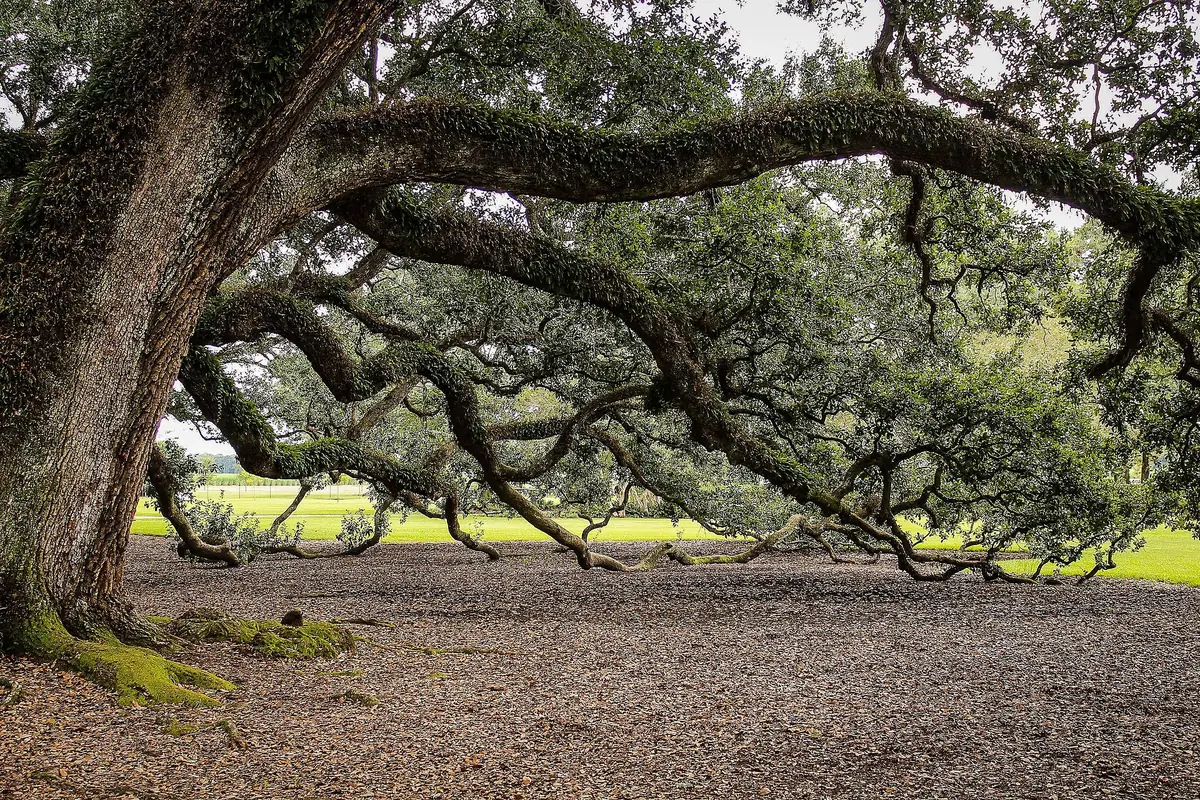
A field lens for mature street trees, compact rights-of-way and the changing salt-and-wind exposure between the bayfront and inland blocks.
Open field note ↗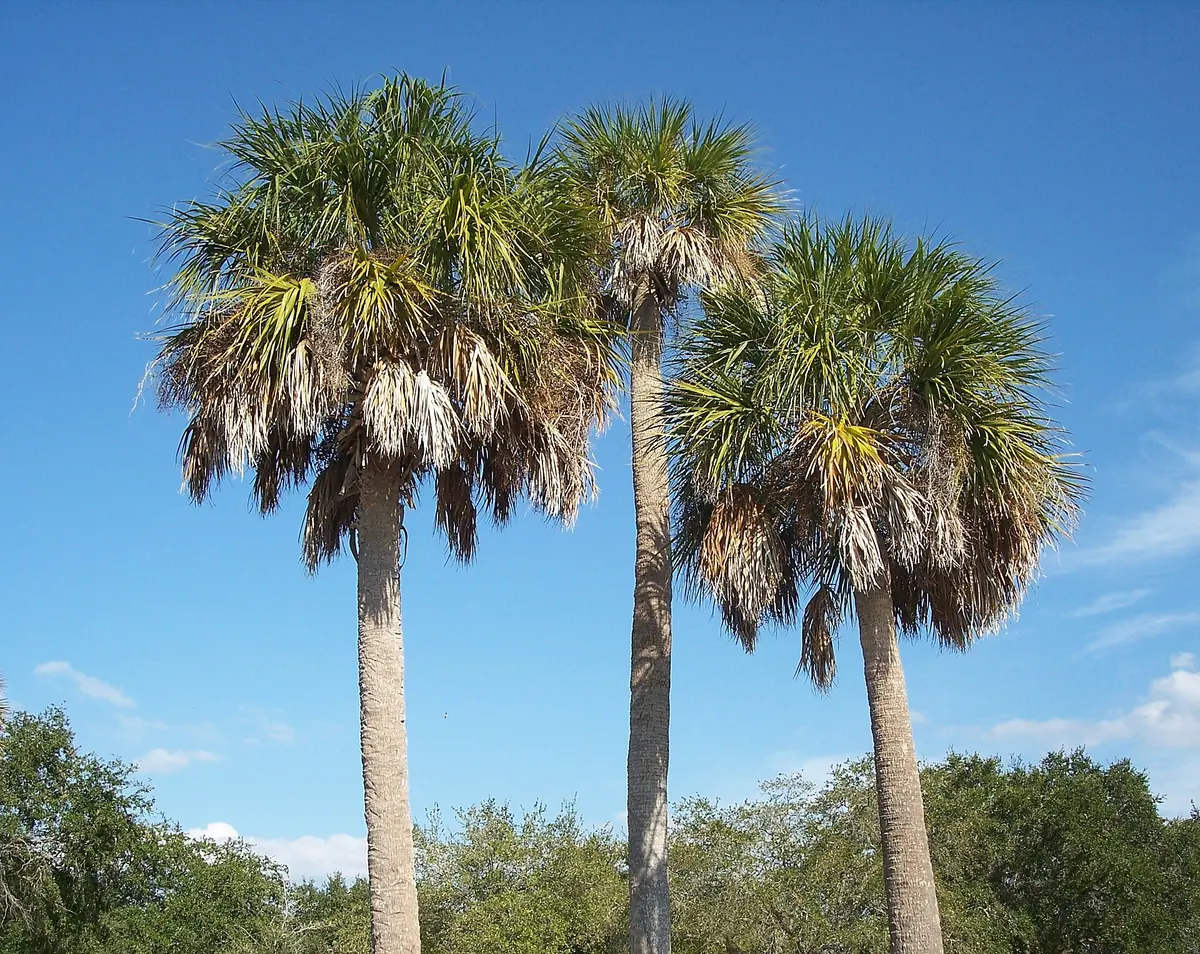
A close-up look at shade gaps, small-lot tree choices and the pressure created by pavement, parking, alleys and overhead utilities.
Open field note ↗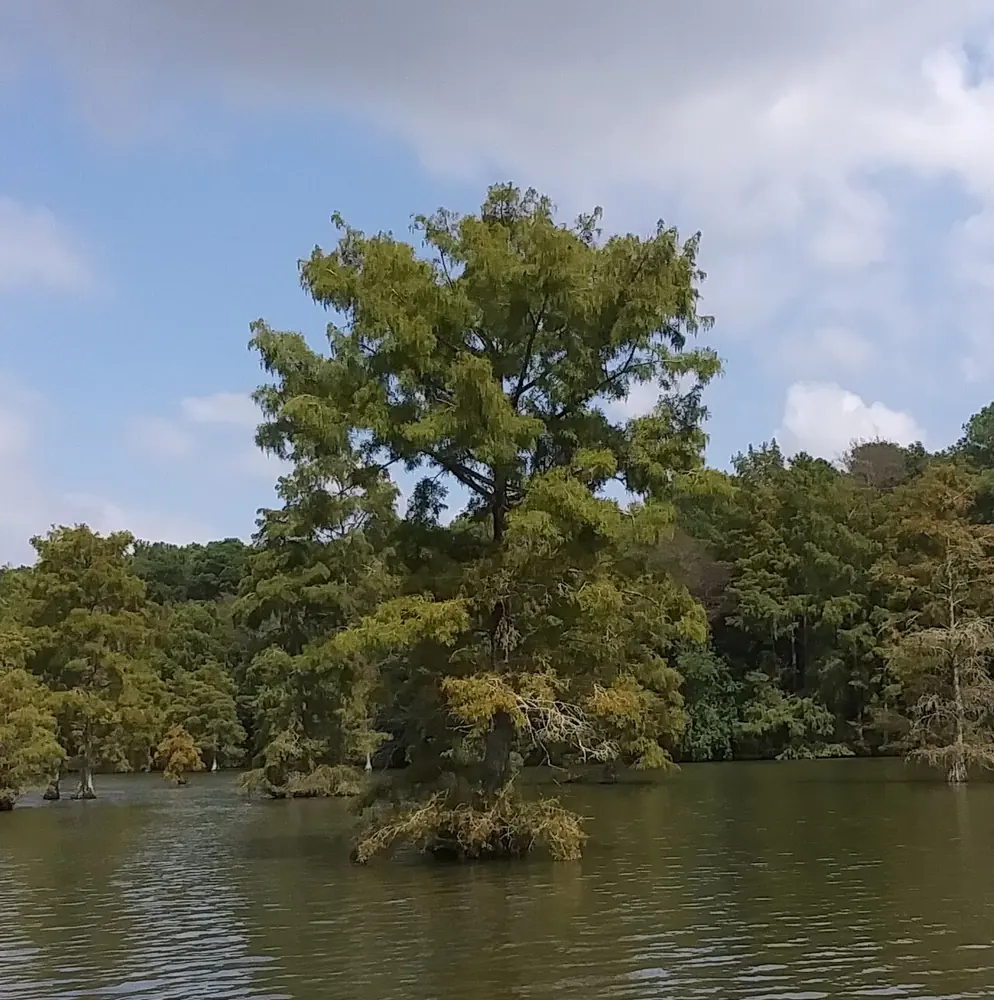
A neighborhood field note about the transition from open water and park canopy to residential blocks, with moisture and public-space context kept visible.
Open field note ↗A field note for mature shade, alley and utility constraints, and the next generation of trees across a compact historic street grid.
Open field note ↗A field lens for shifts in elevation, drainage and canopy scale between creek-adjacent spaces, sloping streets and compact lots.
Open field note ↗A field note for exposed residential sites where wind, salt, drainage, clearance and post-storm recovery shape planting decisions.
Open field note ↗A small field ledger
Give the canopy and surface roots real room.
Florida's state tree, adapted to many exposed sites.
A wet-site native that can also adapt beyond the swamp.
How the notes are built
Florida Tree Notes is an independent public-interest project by Rashid Mehmood. Each guide links to the public sources behind it, including UF/IFAS, the Florida Native Plant Society and local government resources.
Quick answers
No. Native status is a useful starting point, but mature size, light, drainage, soil, salt, wind, utilities and local range still determine whether a tree fits a particular site.
Treat overhead lines as a mature-height limit, not a future pruning problem. Confirm the tree's expected height and spread, locate underground utilities, and check current local right-of-way requirements before digging.
No tree is hurricane-proof. Resilience comes from species and site fit, sound nursery structure, adequate rooting space, correct planting, young-tree training and periodic professional inspection.
Container-grown trees can be planted during much of the year when site conditions and establishment water align. Plan around current heat, rainfall, drainage and the needs of the particular species rather than relying on a single date.
One good place to begin