Design habitat in layers
Birds and beneficial insects use landscapes for different purposes: shelter, nesting structure, insects, nectar, pollen, fruit and seeds. A large oak canopy can provide a different function from a small holly, understory shrub or flowering ground layer.
Start with the site's available vertical and root space, then build compatible layers rather than crowding several future canopies into one small yard. Habitat value that depends on repeated severe pruning is not a durable design.
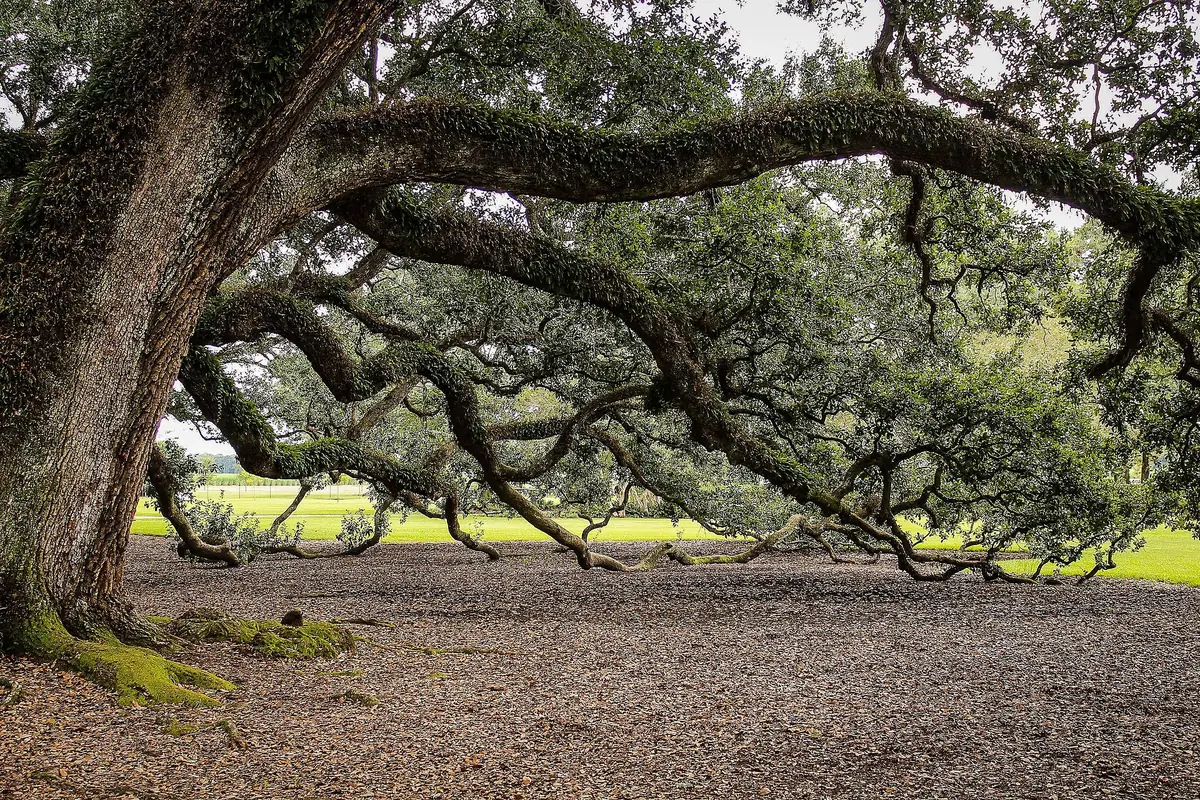
Use diversity and timing
UF/IFAS notes that Florida oak species differ in the conditions they need and in when they produce acorns. That makes a site-matched mix more useful than assuming every oak performs the same ecological role.
For a residential shortlist, compare flowering period, fruit or seed season, host relationships, mature size and moisture needs. Avoid promising that one plant will attract a specific species; wildlife response also depends on the surrounding neighborhood, season and management.
- Canopy and bark for shelter and foraging
- Flowers timed across more than one season
- Fruit, seeds or acorns from site-appropriate species
- Reduced pesticide exposure and safer night lighting
- Water and leaf litter managed without creating hazards
Observe whether the plan works
Keep a simple monthly record of birds, butterflies, bees and other visitors before and after planting. Note flowering, fruiting, pruning and pesticide use so changes have context. A phone photo and a short species list are enough to begin.
Monitoring turns a generic wildlife claim into a local field note. It also helps reveal gaps: food may be concentrated in one month, a dense shrub layer may be missing, or a tree may be struggling because the site fit was wrong.
See the pressure locally
Connect this guide to a St. Petersburg field note.
Primary sources and further reading
- UF/IFAS - Florida Bird Monitoring Program
- UF/IFAS - Managing oaks to produce food for wildlife
- Pinellas County - Green infrastructure and wildlife value
- Florida Native Plant Society - Plant database
Use these resources to verify species details and current local guidance for your site.